The Consultation That Could Cost the Countryside

The Consultation
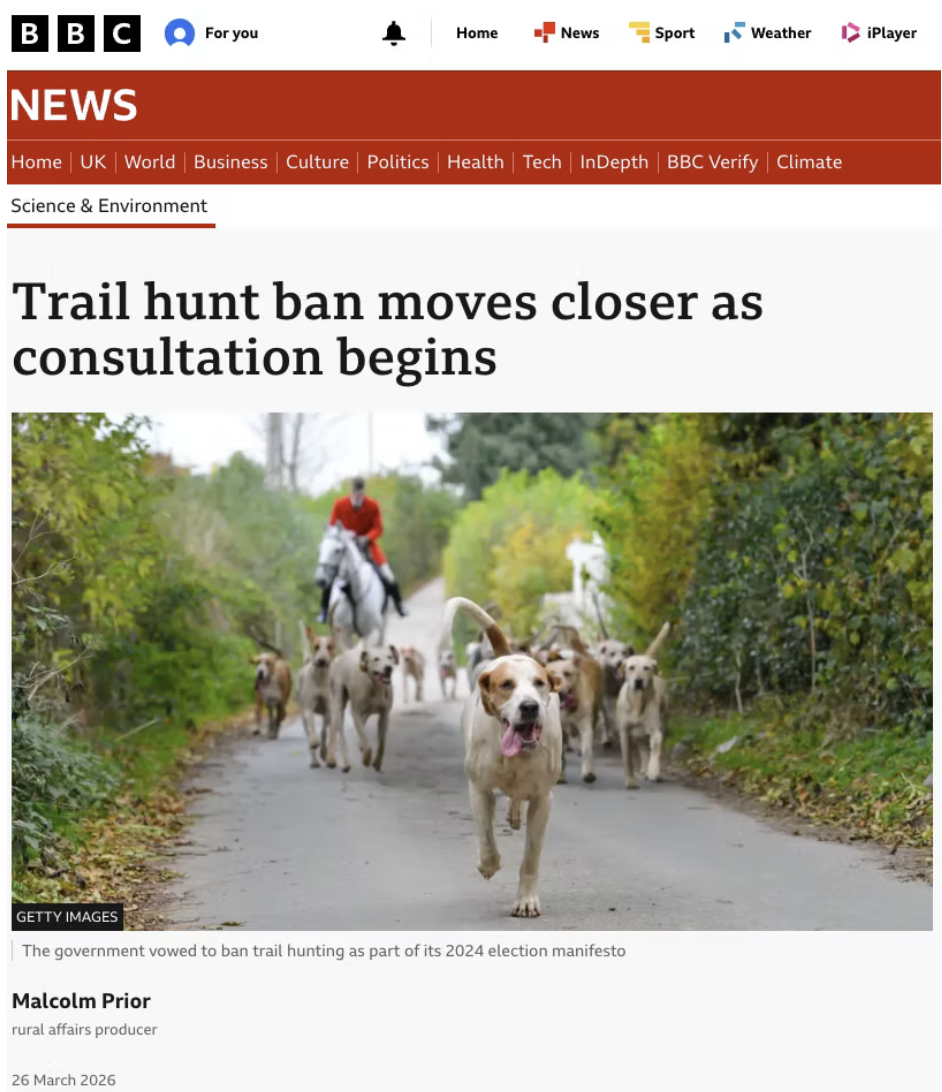
On 26 March, the Department for Environment, Food and Rural Affairs launched a formal public consultation on banning trail hunting in England and Wales - a practice introduced after the Hunting Act 2004 as a lawful alternative to fox hunting, using an animal-scented rag.
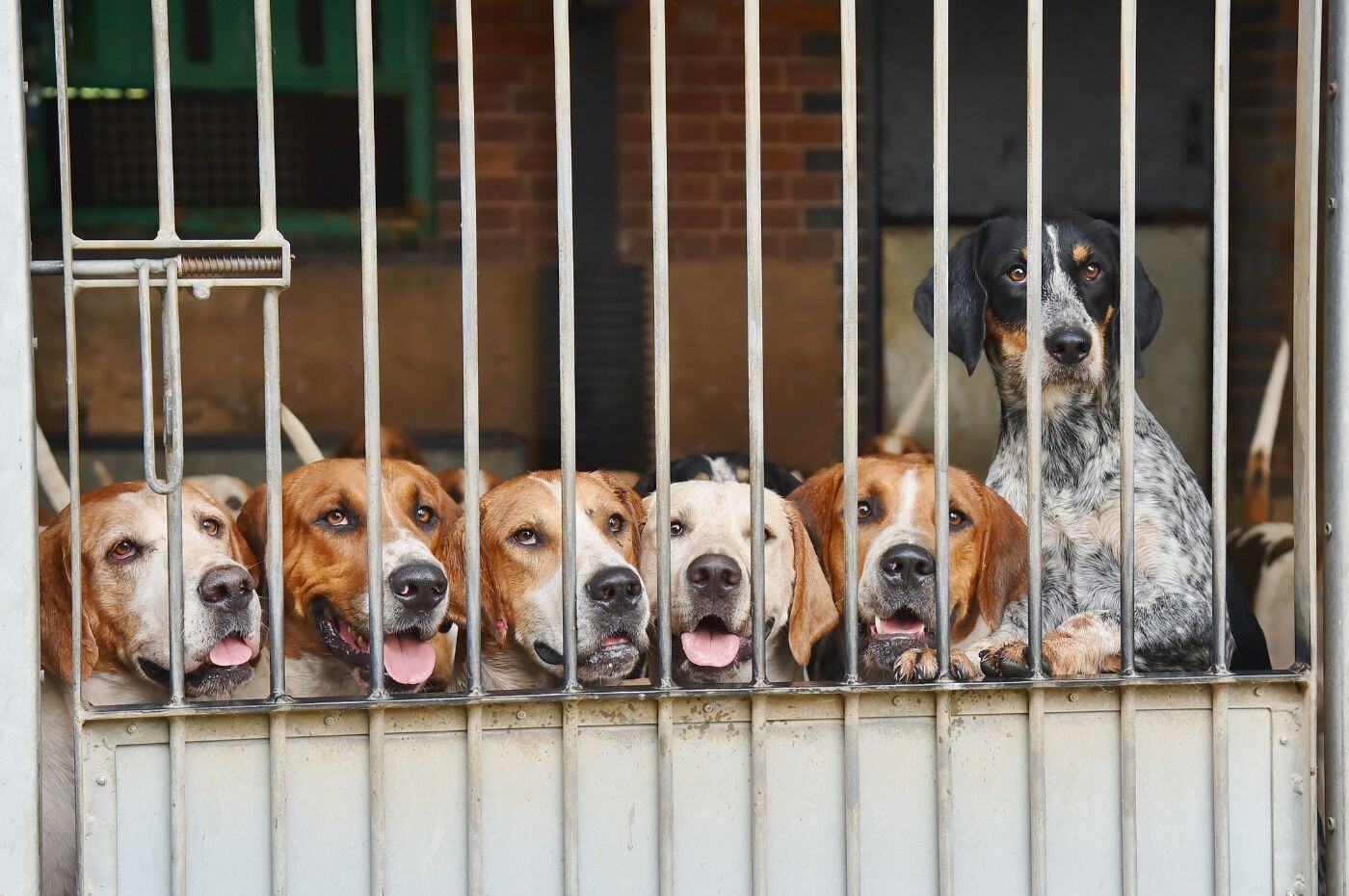
The government has given the public, landowners, hunts, and rural groups twelve weeks to respond. The issues under consideration include how trail hunting should be legally defined, the use of animal-based scents in dog training, what equestrian activities a ban might inadvertently catch, and what happens to the hounds.
Animal welfare minister Baroness Sue Hayman offered the government's reasoning: trail hunting makes it "difficult to ensure wild and domestic animals are not put at risk." Not evidence of systematic wrongdoing. That is the sum total of the case for upending an activity that employs thousands of people, sustains hundreds of rural businesses, and has been part of the fabric of the British countryside for centuries.

What’s At Stake
The British Hound Sports Association (BHSA) estimates that countryside hunts contribute £100 million to the rural economy each year, supporting farriers, vets, saddlers, feed merchants, publicans, livery yards, and landowners.
Hunt staff - kennelmen, whippers-in, huntsmen - face the prospect of losing not just their jobs but their tied accommodation. In many cases, their entire way of life. The BHSA is already asking all hunt staff to submit personal evidence to the consultation, over and above the standard e-lobby response, precisely because the human cost of this ban is not something that fills in neatly on a government form.
Who’s Celebrating
The League Against Cruel Sports called the consultation launch “a pivotal moment.” The RSPCA pointed to “mounting evidence” that trail hunting is used as a smokescreen for illegal fox hunting - a claim often repeated, but lightly substantiated. In reality, over the past 20 years more than 250,000 days of hunting have taken place, with just 25 convictions involving hunts registered with them.
Both organisations have long-standing relationships with the hunt saboteur movement. They share platforms, attend the same protests, and amplify the same social media campaigns. When the RSPCA talks about "rural communities facing intimidation and anti-social behaviour," it is, with some irony, describing the behaviour of the very movement it has chosen to align itself with.
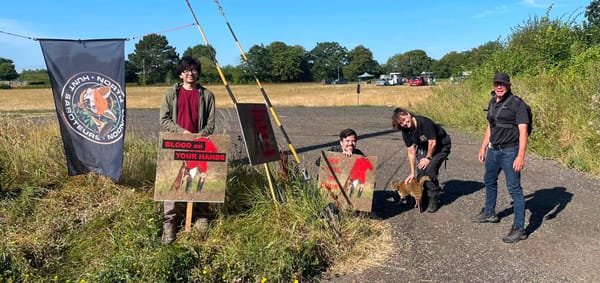
Across hunt saboteur networks in England and Wales, the reaction to this consultation has been jubilant. These are the same individuals who have spent years harassing hunt staff, trespassing on private land, assaulting riders, interfering with hounds, tampering with evidence, and filming confrontations for social media. The proposed ban is not a victory for animal welfare. It is a political dividend on years of organised harassment.
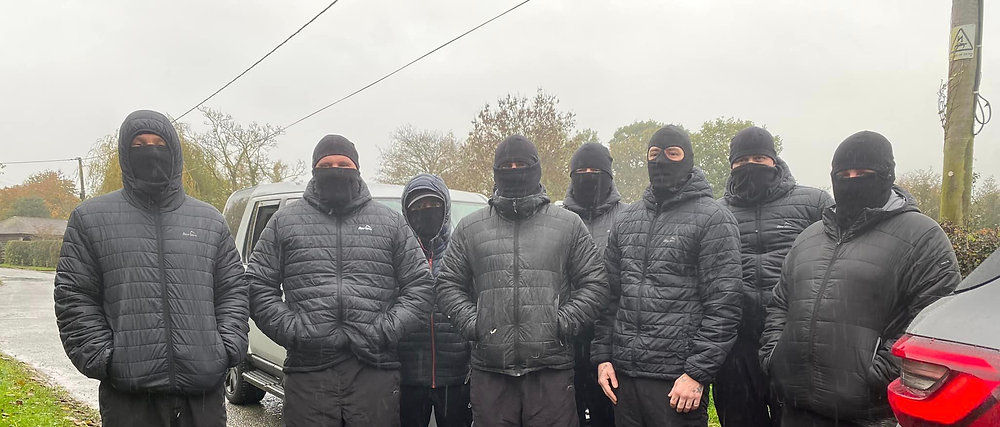
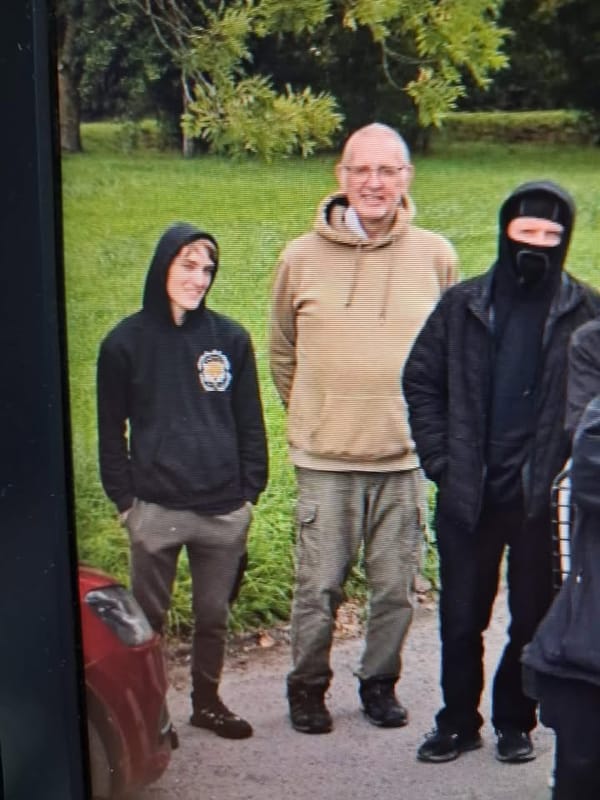
Behind the Masks has spent two years documenting exactly who is celebrating this consultation, and why. Hunt saboteurs are not animal welfare advocates. They are people with a demonstrated contempt for the law, for rural communities, and for anyone who gets in their way. A trail hunting ban is not a victory for animals. It is a reward for years of harassment, trespass, intimidation, and violence.
Don’t let the sabs win.
The Future for Hunting e-lobby is now live. It takes a few moments to send a letter directly to the government's consultation team, copied to your MP, telling them you oppose the ban. This is the single most important action you can take for hunting right now.