The Countryside Brought Cameron, Blunkett and Batters. The Sabs Brought Duncan-Jordan and Norris.

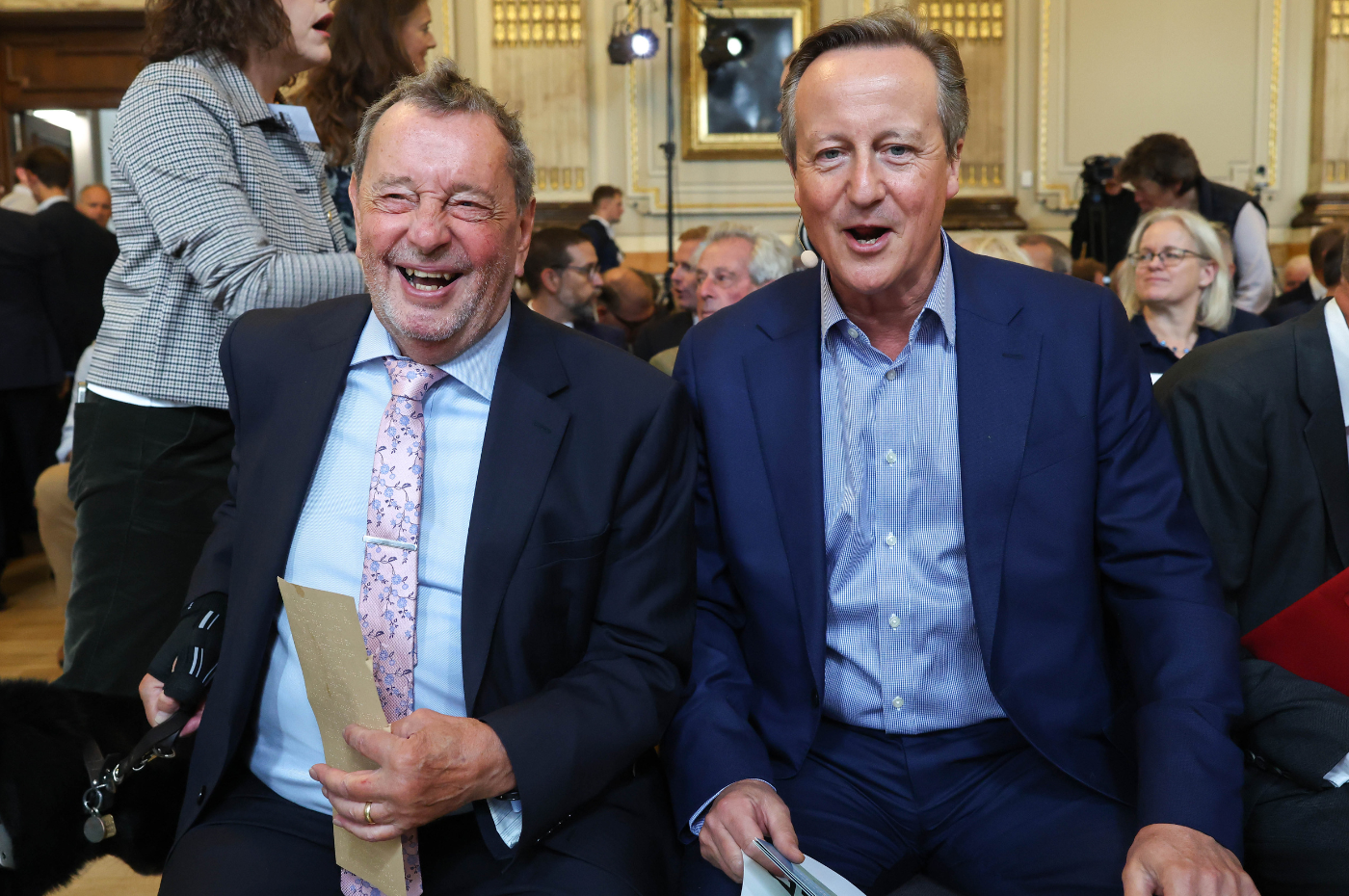
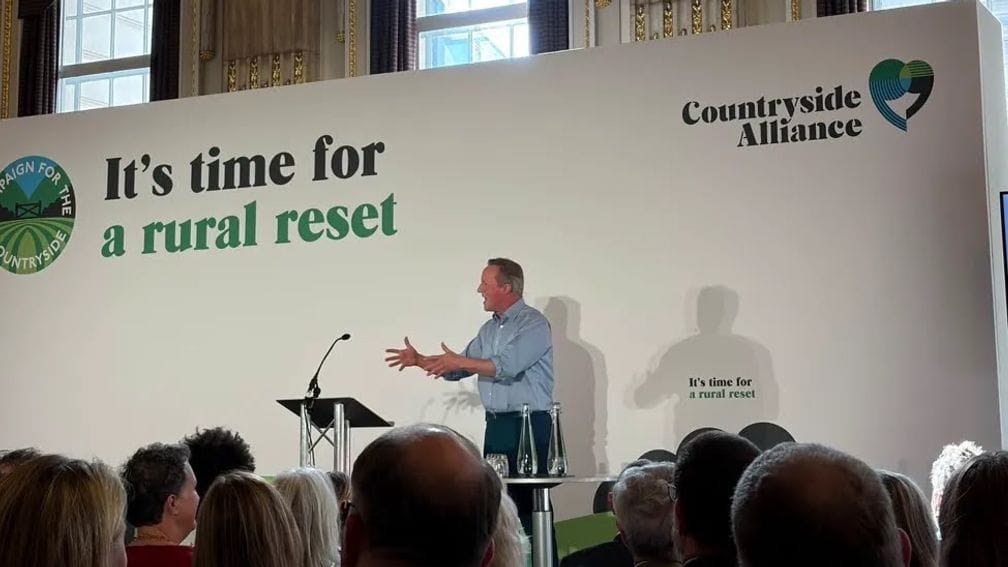
The Countryside Alliance launched its Campaign for the Countryside in Westminster on 14 September and did not struggle for big names.
Lord Cameron warned there is "no national security unless you have food security". He attacked "stupid moves such as the family farm tax" and was equally blunt on hunting, describing the proposed ban as “completely wrong”.
Lord Blunkett, Labour's former Home Secretary, hired Andy Burnham as his parliamentary private secretary in 2004. He described both the farm tax and the trail hunting ban as mistakes and later told the BBC that trail hunting was "doing no harm".
Former NFU President Baroness Batters completed the trio, saying the countryside doesn't want to strike or protest. "All it really wants is for the Prime Minister to succeed."
So, a former prime minister, the Prime Minister's own political mentor and the former head of the NFU all stood on the same stage, united in their opposition to the proposed trail hunting ban and warning Labour against picking another fight with the countryside.
On the other side, the parliamentary push for a ban is being led by Neil Duncan-Jordan, Labour MP for Poole. He won the seat in 2024 with a majority of just 18 votes.
In July 2025, Duncan-Jordan was one of four Labour MPs stripped of the whip after rebelling over welfare cuts. One Labour source told The Times that “persistent knobheadery” was among the reasons.
He then led 61 MPs and peers in writing to Defra, arguing that the Hunting Act 2004 is riddled with loopholes. In the Commons, he made clear that a ban on trail hunting would only be the beginning: “Whilst a pledge to ban trail hunting is welcome, I fear it could be insufficient.”
Until recently, however, the sabs had a considerably bigger name in the Commons.
Dan Norris chaired the League Against Cruel Sports from 2022 until April 2025. The former Labour minister has previously described securing the fox hunting ban as one of the best things he achieved as an MP, putting him rather close to the heart of the anti-hunting establishment.
That position came to an abrupt end when Norris was arrested in 2025 on suspicion of offences including rape, child sex offences and misconduct in public office. Labour suspended him and he now sits as an Independent. He has not attended the Commons since.
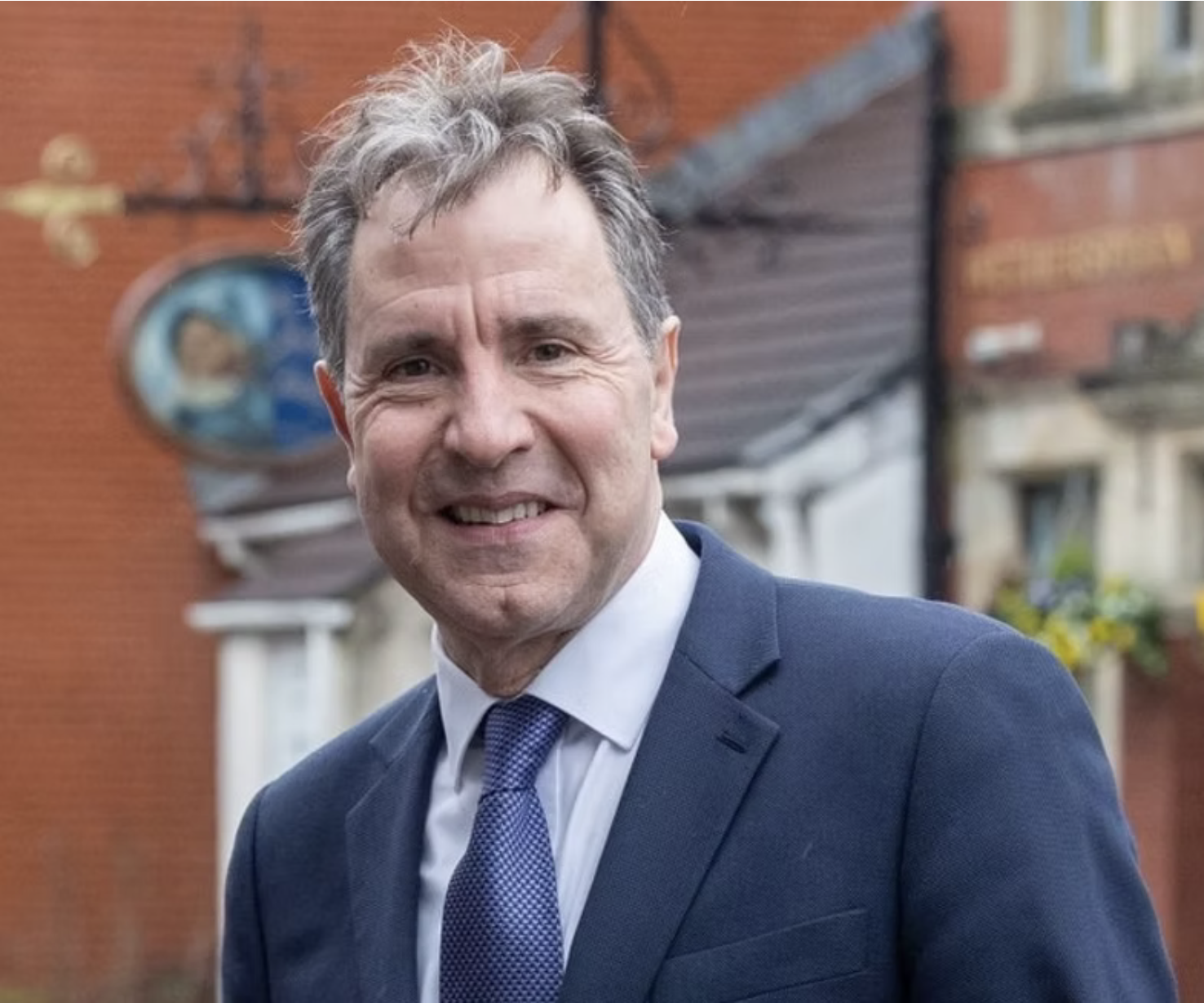
The case has continued to develop. In July 2026, police sent a file to the Crown Prosecution Service for a charging decision over allegations including rape against three women, sexual assault against a fourth and voyeurism and upskirting. Norris has not been charged and has said he “vigorously and entirely” denies the allegations.
Norris’ former position at the League Against Cruel Sports is an awkward detail for a movement that has spent years claiming the moral high ground. The anti-hunt campaign has routinely portrayed hunting and those who participate in it as uniquely deserving of condemnation. Yet some of the political figures most closely associated with that campaign have subsequently found their own conduct under intense scrutiny.
And that makes the contrast with the Countryside Alliance's Westminster launch all the more striking.
On one side: Cameron, Blunkett and Batters - a former Prime Minister, former Labour Home Secretary and former NFU president - all arguing against the proposed trail hunting ban and calling for Labour to reset its relationship with the countryside.
On the other: Duncan-Jordan and Norris, two of the political figures most closely associated with the campaign for a further hunting ban.
These are not small decisions. Policies on farming, land use, rural businesses and hunting affect communities far beyond the people directly involved in the debate. So it is worth looking closely at who is speaking for rural Britain on each side - and who is being listened to when decisions affecting those communities are made.