Animals as Props: The Rob Pownall Method

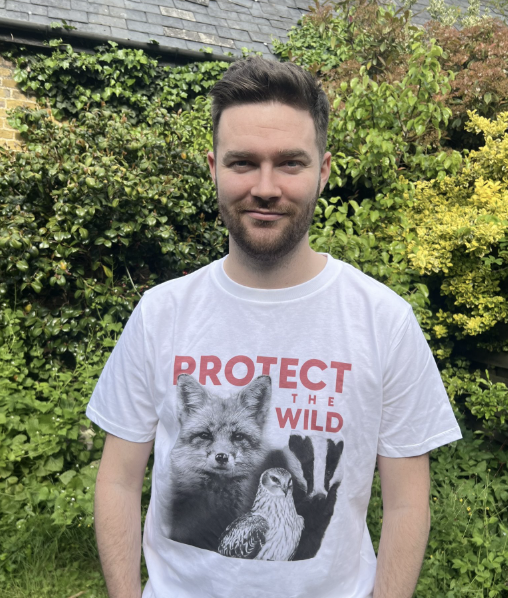
Foxes, hounds, gannets. Rob Pownall's campaigns are never short of animals. What they are short of is any account of what happens to them afterwards.
The pattern was set in the spring of 2022, when Keep The Ban, the group Pownall founded, went to its supporters with two appeals for a fox hospital: £300,000 to convert a van into a mobile clinic, and a subscription to adopt a fox for £2 a month, because "these beautiful animals need our help more than ever". What Foxhunting Evidence UK, a rival anti-hunting group, found when it investigated was a cramped room filled with cages, run by a man with no veterinary experience, and a facility its supporters were soon complaining was cruel. By then the appeals had raised more than £27,000 from over a thousand donors.
Pownall's response, once The Telegraph put the findings to him, was an admission rather than a defence. "On reflection it was the wrong call to support the appeal for donations and I did not undertake the sufficient due diligence and background checks on this operation." He had dedicated his life to protecting wildlife, he said, but had let his passion for helping animals take over from his judgement. He had visited the premises, and the animals had appeared healthy, though there was a lack of space, which he offered as the reason the fundraising began rather than the reason he raised the alarm.
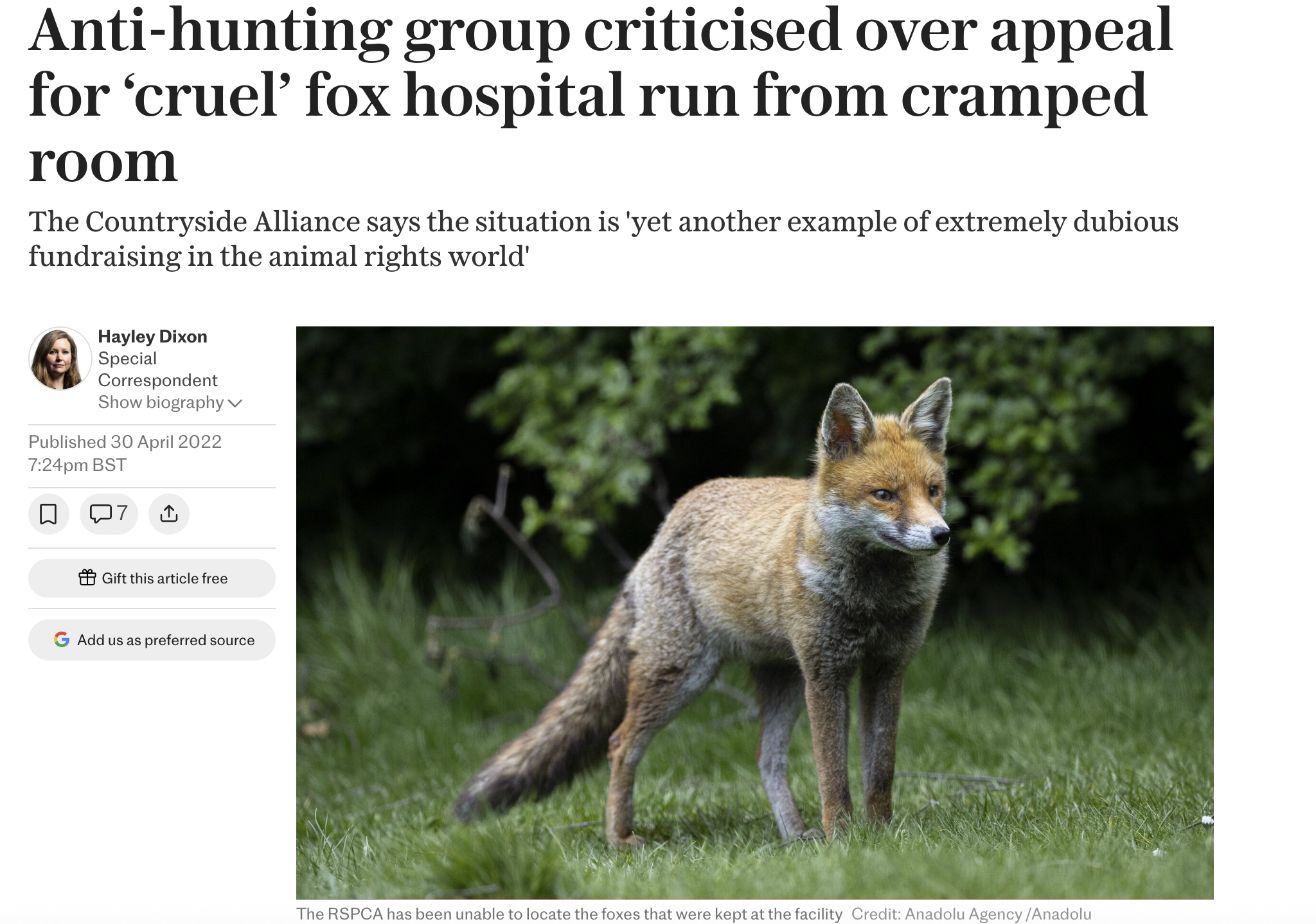
Then comes the part that has never been resolved. Pownall called the RSPCA. The RSPCA attended more than one address and could not find the foxes. "We have attended more than one address and have been unable to locate these foxes," a spokesman said, appealing for anyone with information to contact the charity or the police. £27,000 had been raised in their name, and by the time anyone with authority went looking, the animals were gone.
Tim Bonner, chief executive of the Countryside Alliance, put it plainly at the time: groups like Keep The Ban "use animals to raise funds for political campaigns and even for personal profit", and those who really care about animal welfare "should not be duping their supporters into handing over money to murky causes". Keep The Ban said every donor had been contacted and either refunded or told their money would go to a registered wildlife rescue charity.
The method did not change; the branding did. Keep The Ban became Protect the Wild, and the fox hospital became Rehome The Hounds, a campaign built on the claim that hunts weaponise their foxhounds and that all 12,000 hounds in Britain's registered packs could be adopted by individuals.
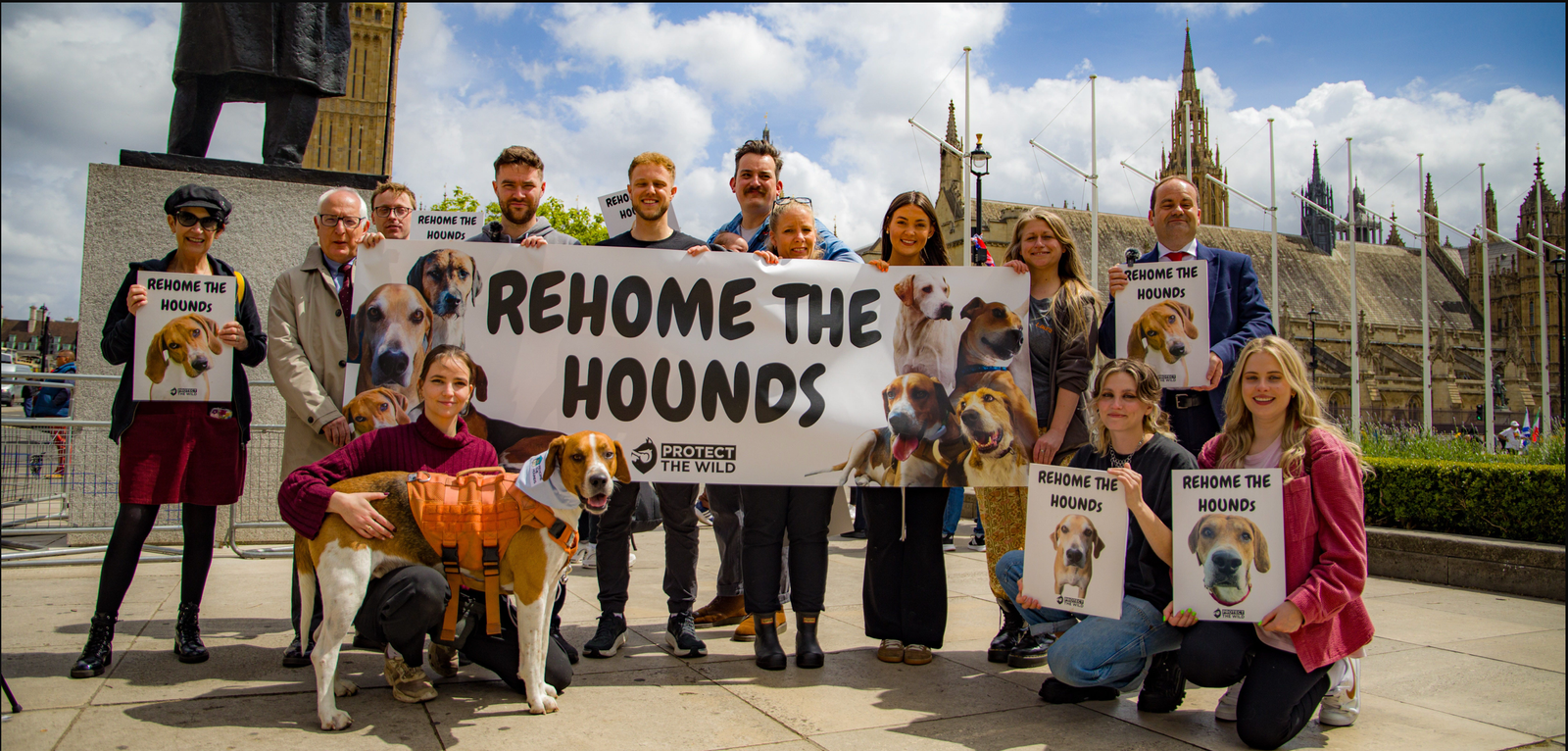
Its mascot at the League Against Cruel Sports rally outside Parliament on 9 May was a foxhound with no public name and no stated origin, photographed at the feet of campaigners alongside Chris Packham. The Telegraph named her: Canvas, six years old, bred by Jack Harris of the Taunton Vale, allegedly snatched in February before being handed to saboteurs. Harris recognised her instantly, partly by the missing front left toe that is plainly visible in the rally photographs. "I know exactly what she looks like because I bred her," he said. She had been part of his family for six years, and his young daughter is fond of her.
A second hound, Genial, went missing from the Belvoir in 2022. He now appears on the Rehome The Hounds website as Alfred, complete with a new backstory: left unclaimed on the side of the road, which the site says "says it all". Lincolnshire Police are investigating. If the Belvoir's identification holds, a stolen foxhound has been given a false name and a fabricated history in order to indict the hunt that lost him.
The British Hound Sports Association has written to Pownall demanding a written account of who supplied the hounds, who handled them, and where they are now.
Note the consistency. In 2022, the RSPCA went looking for foxes that Pownall's supporters had paid for and found nothing at more than one address. In 2026, the hunts are asking where their hounds are, and the question of who supplied them, who handled them and where they are now remains unanswered. Both times the animals were the fundraising engine. Both times the questions arrived only after the money and the publicity had been banked.
Which brings us to Makerfield. On 18 June, Pownall stood in a by-election he had promised would be "a national platform" to end hunting with hounds, and he stood in a fox costume. He received 18 votes out of 45,476 cast, finishing joint second last in a field of fourteen. Count Binface, campaigning on a pledge to conscript anyone using a speakerphone on public transport, took 95.
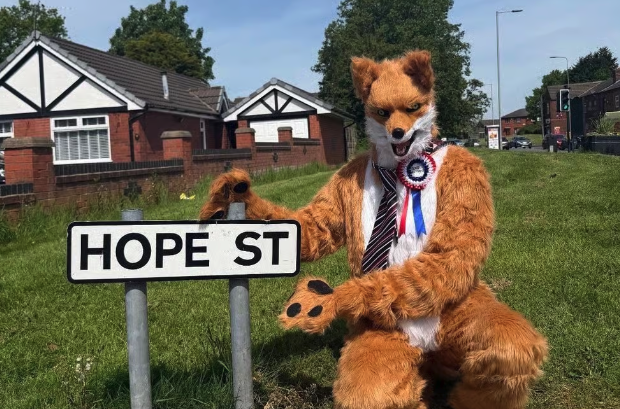
The pattern is not really about foxes or hounds at all. It is about a man who has learned that animals raise money, animals raise profiles, and animals raise awareness. What they have never done, at any point in this record, is receive the basic duty of care the fundraising was ostensibly for. The foxes the RSPCA could not find. The hound with the missing toe and the fabricated backstory. Pownall in a fox suit, asking Makerfield to vote for the animal rather than the man.