Damp Squibs on Dry Moors: The Sabs' Glorious Twelfth

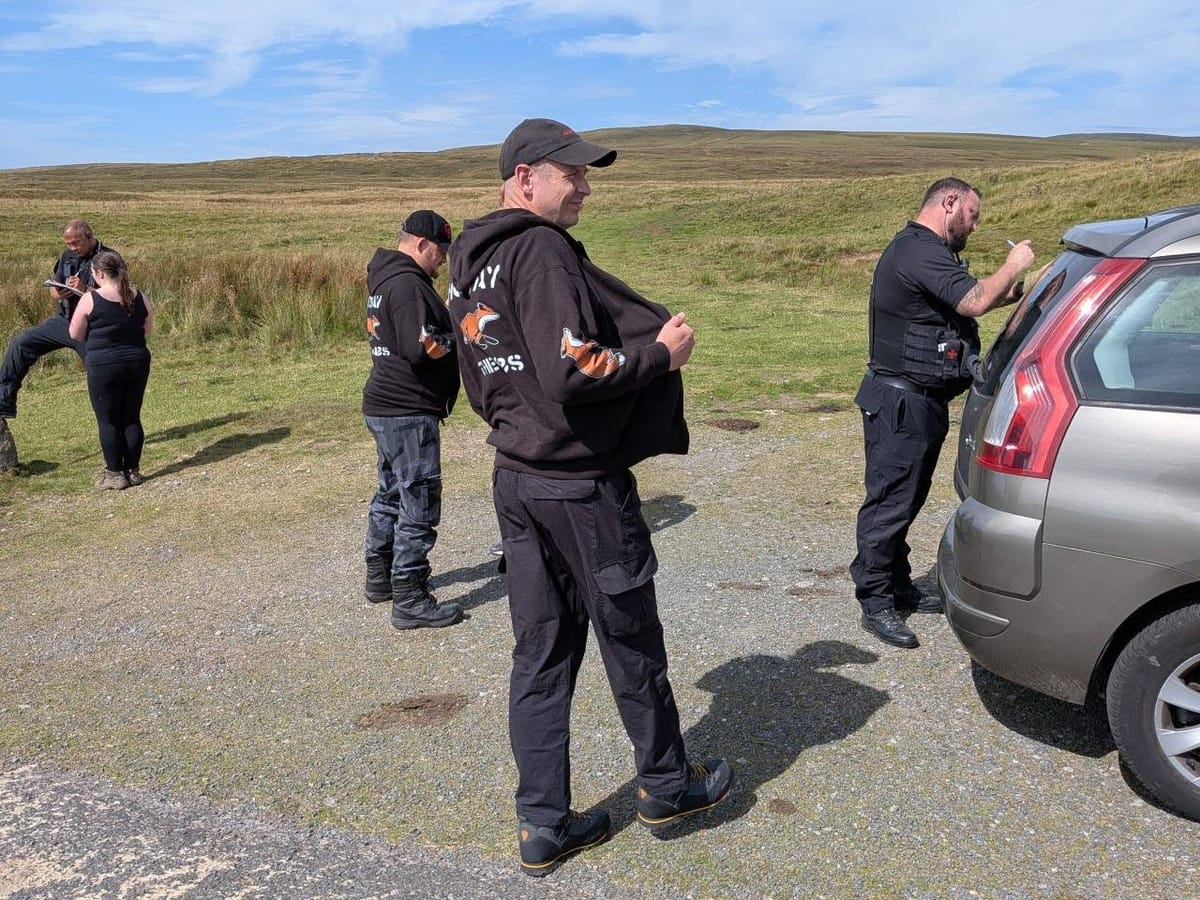
This year's Glorious Twelfth passed with rather less drama than the saboteur movement would have you believe. What at first glance looked like two or three separate actions across the Yorkshire moors turns out, on closer reading, to be one lawful shoot at Coverdale, checked by police and written up four times.
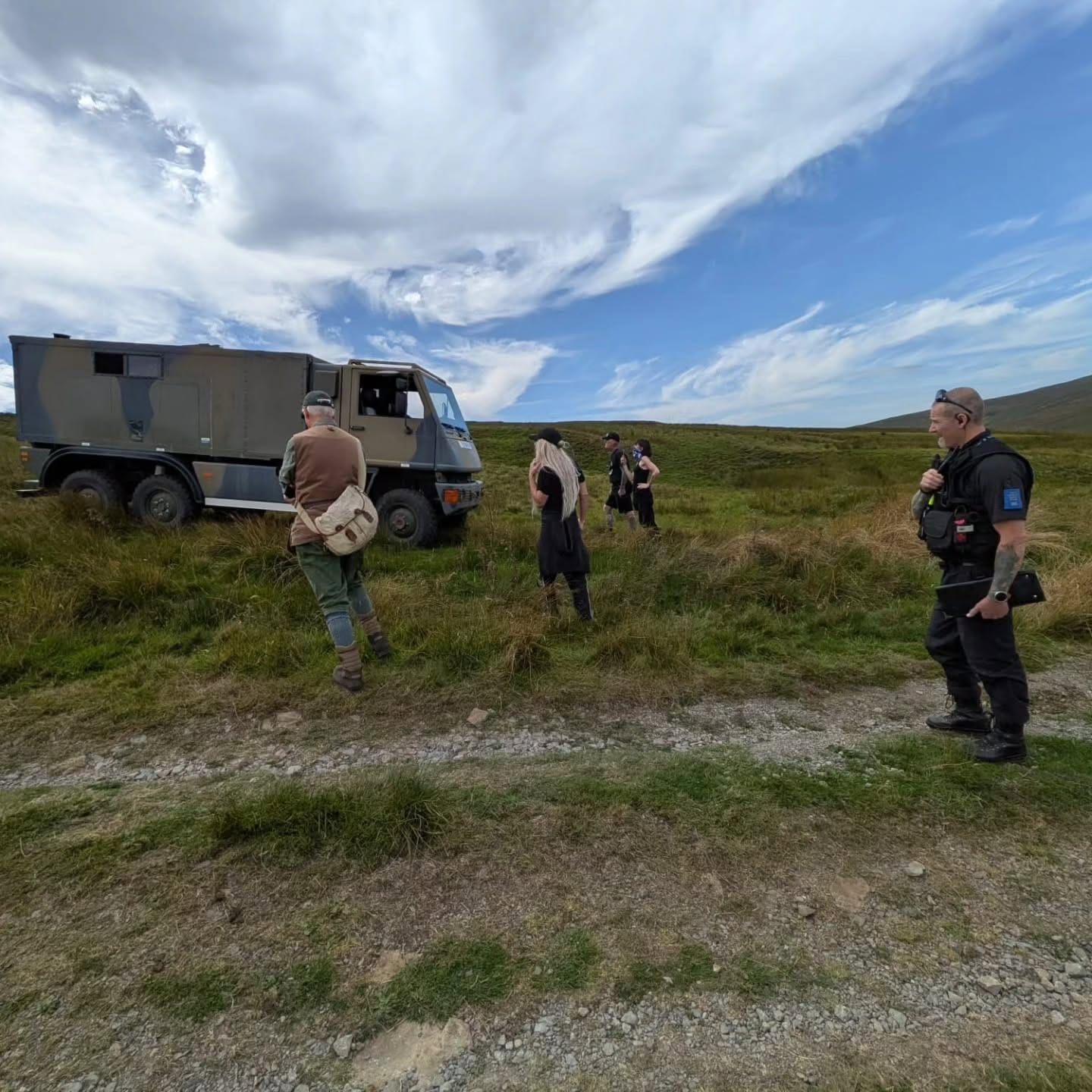
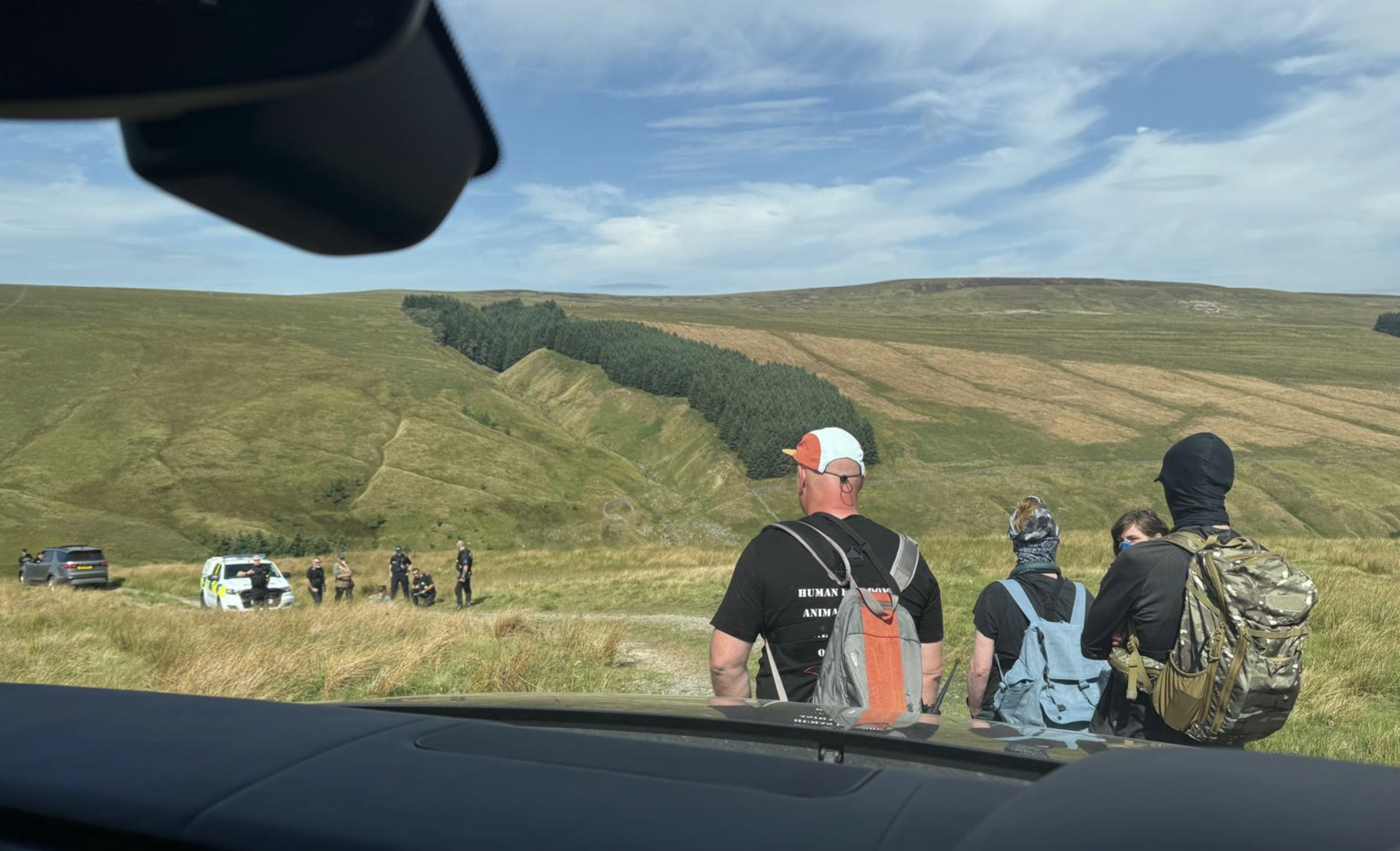
Sheffield, Newcastle, West Yorkshire and the Geordie Hunt Saboteurs each supplied a post, tagging one another in a round of mutual congratulation. Newcastle declined to name the location and the Geordies said only "the Yorkshire Moors," but the timings, the police dispersal and the untaxed vehicle that turns up in more than one account all point to the same field near Leyburn. The write-ups overlap and at times seem to describe the same morning from different car windows. Sheffield alone thanked eight named groups and 'more' for their part in a morning that, by every account, ended in dispersal orders.

The order of events, pieced together from the groups' own accounts, is not flattering. West Yorkshire admits it hadn't found a shoot at all until a police roadblock alerted them to one in the next field, a favour they acknowledged with "Thanks guys!".
Newcastle claims it held things up from around 11:15 until 13:00, when dispersal orders arrived, and counts as its main achievement the discovery that a vehicle was untaxed. The Geordies were stopped twice on the road in and spent the morning, by their own admission, keeping officers talking.
Sheffield's post gives the location, Coverdale near Leyburn, and the outcome: dispersed "in dribs and drabs" as the shoot continued. Two hours, one untaxed Land Rover, and a set of dispersal orders that had to be rewritten because the first ones were filled in wrong. The sabs, on their own evidence, achieved nothing.
The moors the saboteurs were roaming had been under fire warnings for weeks. Dovestone and Swineshaw had burned through July and into August, with the major incident stood down only on 3 August. By the evening of the Twelfth, hours after the sabs had been sent home, Saddleworth was alight again near Holmfirth Road, and by Friday around 50 firefighters had spent 48 hours tackling what the fire service described as very challenging conditions.
That matters because the managed moorland these groups so despise is not simply a backdrop for grouse shooting. Practices such as controlled burning, cutting, grazing and firebreaks are used to manage vegetation and fuel loads, and can form part of a wider effort to reduce and contain wildfire. Obstructing a lawful shoot is one thing. Driving around parched moorland in extreme fire conditions, while nearby valleys are still burning, and then presenting the people managing that landscape as the environmental villains is quite another.
The Hunt Saboteurs Association's (HSA) own account of the day, published two days later, argues that grouse moor management “creates the perfect conditions” for wildfire to spread. It takes a particular confidence to lecture keepers on how their ground burns on behalf of people who had to be told where the shoot was by a police roadblock.
That same HSA article credits the day to "sabs" and "some groups," names none of them, and carries a single photograph credited to Newcastle. Four groups claimed Coverdale on Facebook; the association awarded it to nobody in particular. The Geordie Hunt Saboteurs, who by their own telling spent the morning keeping the police occupied, don't appear on the HSA's pages or anywhere on social media. Coming together, evidently, has a membership criterion.
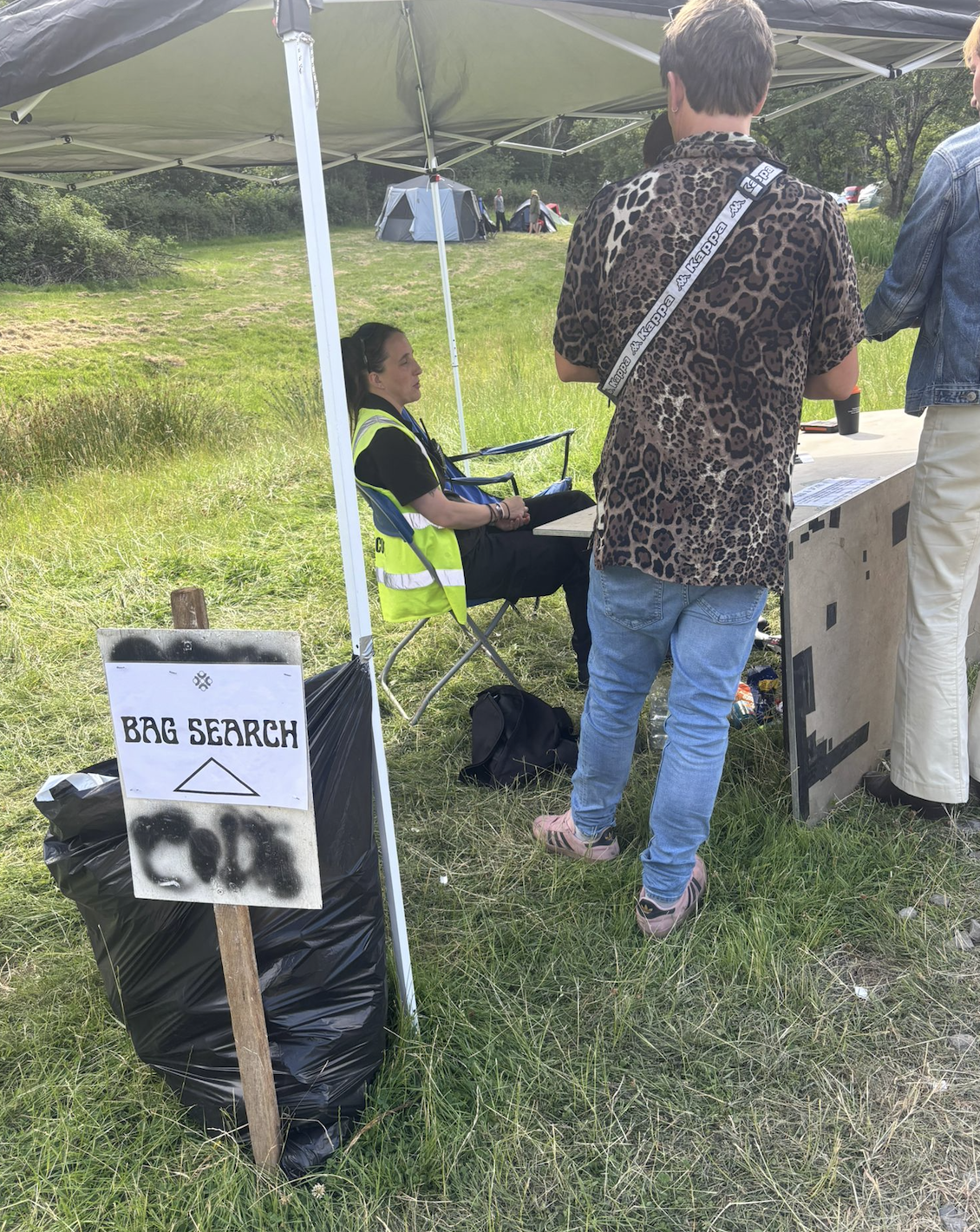
Whilst these nine sab groups spent 12 August on the moors, Emma Phipps of the Three Counties Saboteurs spent part of her summer working at a festival on an estate that hosts commercial shoots. Principles, it seems, are seasonal.
One shoot, nine groups, two hours of police paperwork and a moor on fire in the next county.