Burnham's Growth in Every Postcode, Except the Ones with Kennels

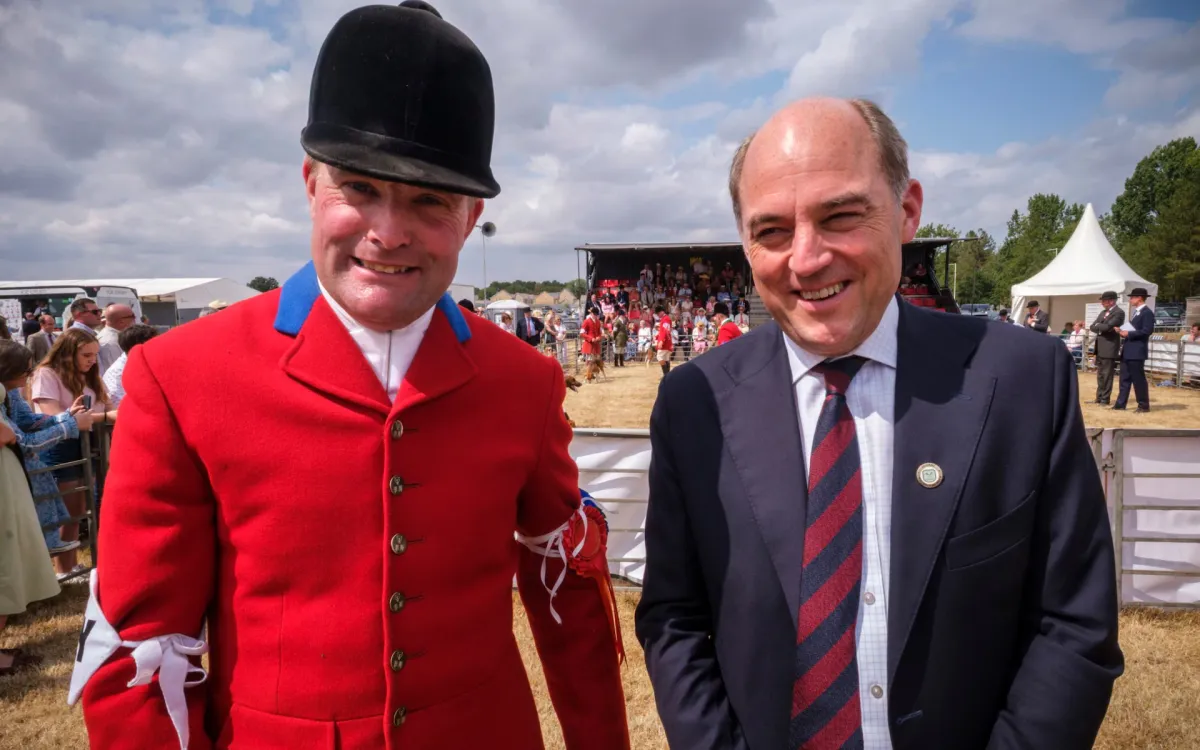
Andy Burnham had been Prime Minister for precisely two days when Sir Ben Wallace stood up at the East of England Showground and offered him a reset, which is more courtesy than the countryside has had from Downing Street in years.
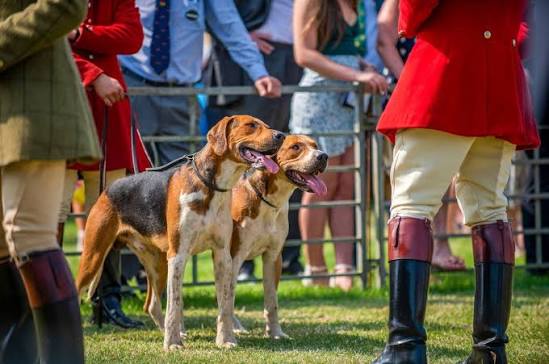
The Future for Hunting Festival of Hounds, held alongside the 138th Peterborough Royal Foxhound Show on Wednesday 22 July, drew hunt supporters from across the country. It fell to Wallace, the former Defence Secretary who now chairs the Future for Hunting campaign, to set out the terms of a truce that the new administration is under no obligation to accept but every incentive to consider.
"It doesn't have to be a battle between government and what we do in our rural communities," he told them.
Burnham could reset the family farm tax. He could undo the changes to business rates that have fallen on rural pubs. He could do something, Wallace suggested, about fly-tipping, an offence that blights the countryside. "He could actually set about the priorities which matter to everyone in this country," Wallace said. "He has a chance to do that." Bringing the country together is, after all, the new Prime Minister's own message. "So he could do that," Wallace said, "by taking his foot off the gas when it comes to trying to ban trail hunting."
Burnham arrived in office promising "hope in every heart" and "good growth in every postcode", and he inherits a sluggish economy and a cost-of-living squeeze that will define whether he is still there in 2029. Wallace's question, put to thousands of supporters at Peterborough, was simply how the arithmetic is supposed to work.
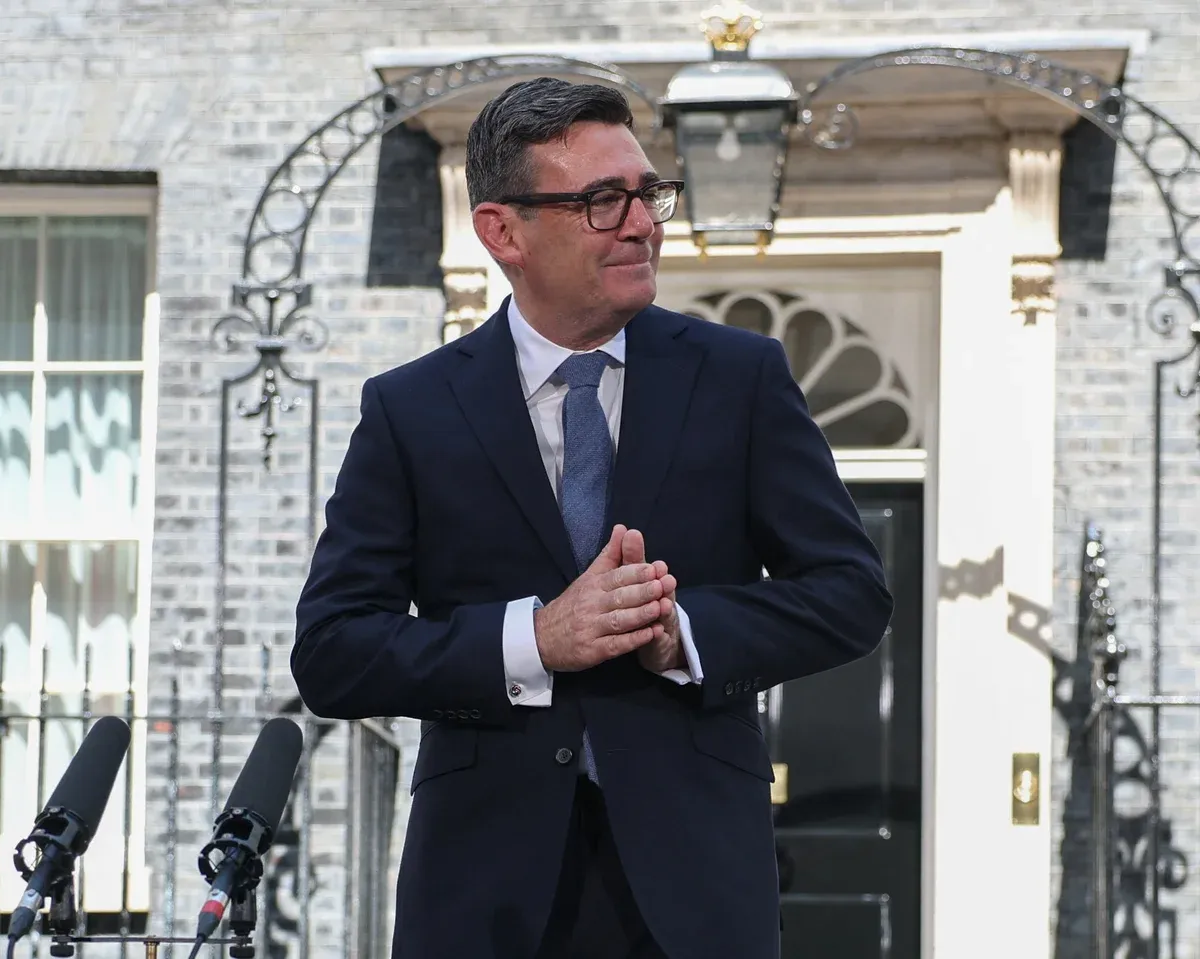
"I think it's really important we remind people, if this is about cost of living government and the economy growing, why are you taking steps that can take a hundred million pounds out of the economy by putting people out of their jobs and putting rural businesses on the back foot, because you're denying them the revenue that hunting gives them?"
The £100 million figure comes from a British Hound Sports Association survey of hunting's annual contribution to the rural economy, and it is not a number the Government has troubled itself to dispute, still less to model. There are 12,000 hounds across England and Wales, each pack supporting huntsmen and kennel staff, alongside the farriers, groomers, rural vets, village pubs, shops and bed and breakfasts that take money from hunting days. They are, as Wallace put it at Peterborough, "law-abiding, decent people working hard in their lives, earning money for the community and the chancellor."
They cannot claim they were not told. The consultation on prohibiting trail hunting in England and Wales opened on 26 March and closed on 18 June, and the Countryside Alliance reported more than 91,000 responses opposing the ban, describing it as one of the largest Defra has ever received on a countryside issue. By the Alliance's own reckoning it was the largest Defra consultation response in modern times, beating the 2011 badger cull consultation at 65,000, the 2018 health and harmony consultation at 44,000, and the fairer food labelling consultation at 31,000. Defra has yet to publish a summary of what any of them said.
It may not much matter what they said. On the eve of his coronation as Labour leader, according to The Telegraph, Burnham told the Labour Animal Welfare Society that he fully supported his predecessor's animal welfare strategy, "including the ban on trail hunting". The consultation had closed a month earlier and the responses were still sitting in Defra's inbox. Whatever the exercise was, the incoming Prime Minister had reached his conclusion before anyone had finished counting.
Which puts Wallace's warning at Peterborough in a rather different light. "And who's next? If it's after us, they will come for shooting. And after shooting, they will come for horse racing. And after horse racing, they'll come for all the other activities that this small clique of people don't like."
He may be right, and he may be wrong. Andy Burnham was born in Aintree. A Prime Minister who promised good growth in every postcode has committed himself to a policy his opponents cost at £100 million and a thousand jobs, in precisely the postcodes that have heard least from him, and he did it before Defra had published a word of what those responses said.